Small changes in vehicle maintenance routines create significant environmental impact. Learn practical approaches that reduce resource consumption while maintaining your car's appearance and value.
Traditional car washing consumes substantial water. These techniques dramatically reduce usage without compromising cleaning quality.
Professional facilities recycle and filter water, using about 40 gallons per wash compared to 150 gallons for home washing. Many now employ advanced water reclamation systems.
Modern spray-on formulas encapsulate dirt particles, allowing safe removal with microfiber cloths. Ideal for light cleaning and areas experiencing drought conditions.
When home washing is necessary, shut-off nozzles prevent continuous flow. Rinse in sections rather than leaving hoses running throughout the entire process.
How you use cleaning products matters as much as which products you choose.
Following concentration guidelines prevents product waste and environmental overload. Measuring tools ensure accuracy, while marked containers facilitate consistent preparation. Stronger isn't better; excess product doesn't improve cleaning and increases runoff contamination.
Wash vehicles on grass or gravel when possible, allowing soil to filter runoff naturally. Avoid washing near storm drains that channel water directly into rivers and lakes. Many communities designate specific washing areas with proper drainage systems.
Canadian winters present unique challenges. Wash vehicles during warmer afternoon hours to prevent freezing. Spring cleanings should address accumulated road salt promptly, as delay increases corrosion damage and environmental impact.
Store cleaning products in temperature-controlled spaces to maintain effectiveness. Extreme heat or cold degrades formulations, reducing performance and potentially creating waste. Keep containers sealed to prevent evaporation and contamination.
Less frequent washing preserves protective coatings while reducing resource consumption.
Quality wax or ceramic sealants create barriers that repel dirt and water. These treatments extend time between full washes while making quick cleanups more effective.
Garages and carports shield vehicles from rain, bird droppings, and tree sap. This simple approach significantly reduces cleaning needs while protecting paint from UV damage.
Quick passes with microfiber cloths remove surface dust before it bonds with paint. This five-minute maintenance task prevents dirt buildup that requires full washing.
Minimizing disposable materials and properly managing waste protects ecosystems while reducing costs.
Quality microfiber cloths, washable mitts, and durable brushes replace disposable alternatives. Initial investment pays dividends through years of reliable service. Proper laundering maintains their effectiveness indefinitely.
Many product manufacturers accept empty bottles for refill or recycling. Concentrated refill pouches reduce plastic consumption by up to 80 percent compared to purchasing new bottles repeatedly.
Individual actions combine to create measurable environmental improvements across neighborhoods and regions.
Discussing sustainable practices with neighbors and friends spreads awareness. Simple conversations about product choices and techniques inspire others to adopt environmentally responsible approaches.
Many Canadian communities organize environmental programs and educational events. Participation strengthens collective commitment to protecting local waterways and natural spaces.
Encouraging retailers to stock eco-friendly products creates market demand. Your purchasing decisions and feedback help expand availability of sustainable options for all consumers.
Every sustainable choice creates a ripple effect. When you choose eco-friendly car care products, you're contributing to a larger movement toward environmental stewardship. Together, we can protect Canada's natural beauty for generations to come.
Reduce water consumption and protect freshwater ecosystems
Minimize transportation and production-related greenhouse gases
Support circular economy through reusable and recyclable materials
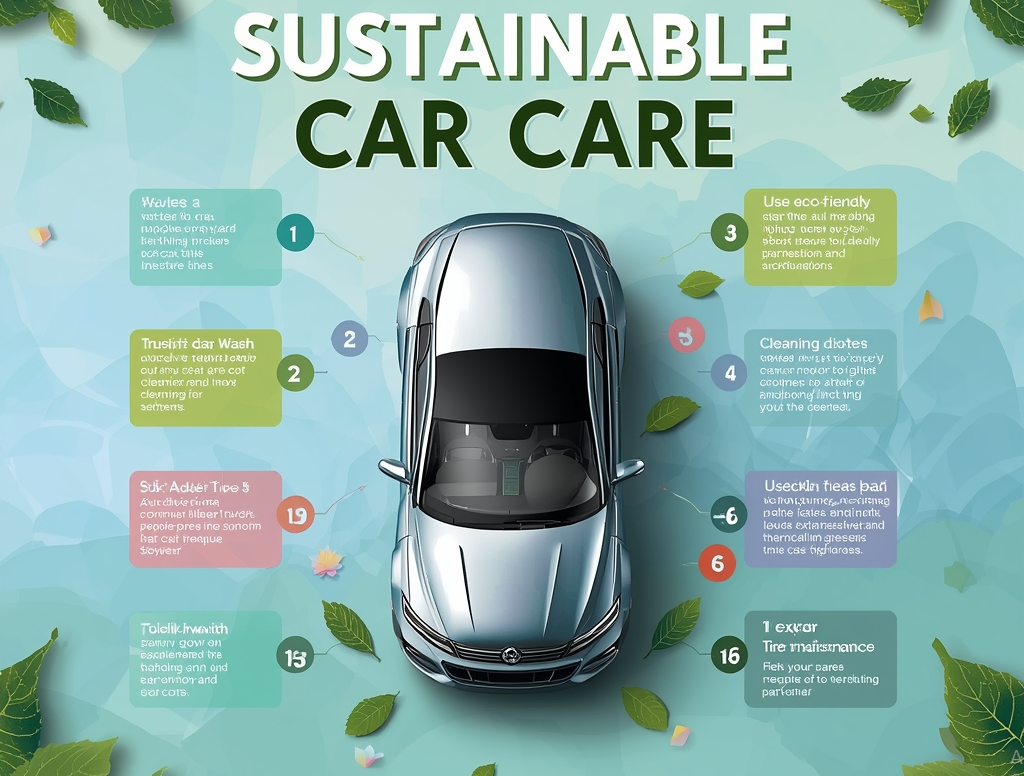
Follow this roadmap to transform your vehicle maintenance routine step by step.
Learn about the environmental impact of traditional car care products. Understand how your choices affect local ecosystems and water quality.
Explore eco-friendly alternatives that match your vehicle's needs. Compare products based on effectiveness, environmental credentials, and value.
Replace conventional products with sustainable alternatives. Start with one product category and gradually expand your eco-friendly collection.
Maintain your sustainable practices and share knowledge with others. Your continued commitment creates lasting positive change.
Expand your knowledge with these helpful resources for sustainable vehicle maintenance.
Access detailed information about common car care ingredients, their environmental impact, and safety profiles.
Learn MoreCalculate your current water consumption and discover how much you can save by switching to waterless or low-water methods.
Calculate NowGet month-by-month recommendations for Canadian climate conditions, from winter salt removal to summer UV protection.
View GuideUnderstand what eco-labels mean and which certifications provide the most reliable environmental guarantees.
ExploreWe value your privacy and are committed to protecting your personal information. This website uses cookies to enhance your browsing experience and provide personalized shopping assistance.
By continuing to use presentsllunique.cv, you consent to our use of cookies and agree to our Privacy Policy. You can manage your cookie preferences through your browser settings at any time.
We collect minimal data necessary to improve our service and never share your information with third parties without explicit consent.